Hyper Times
The Hidden Costs of Global IoT Connectivity (And How to Avoid Them)
Uncover the real costs of global IoT connectivity. Learn reliable solutions to optimize efficiency and enhance performance in your IoT infrastructure.
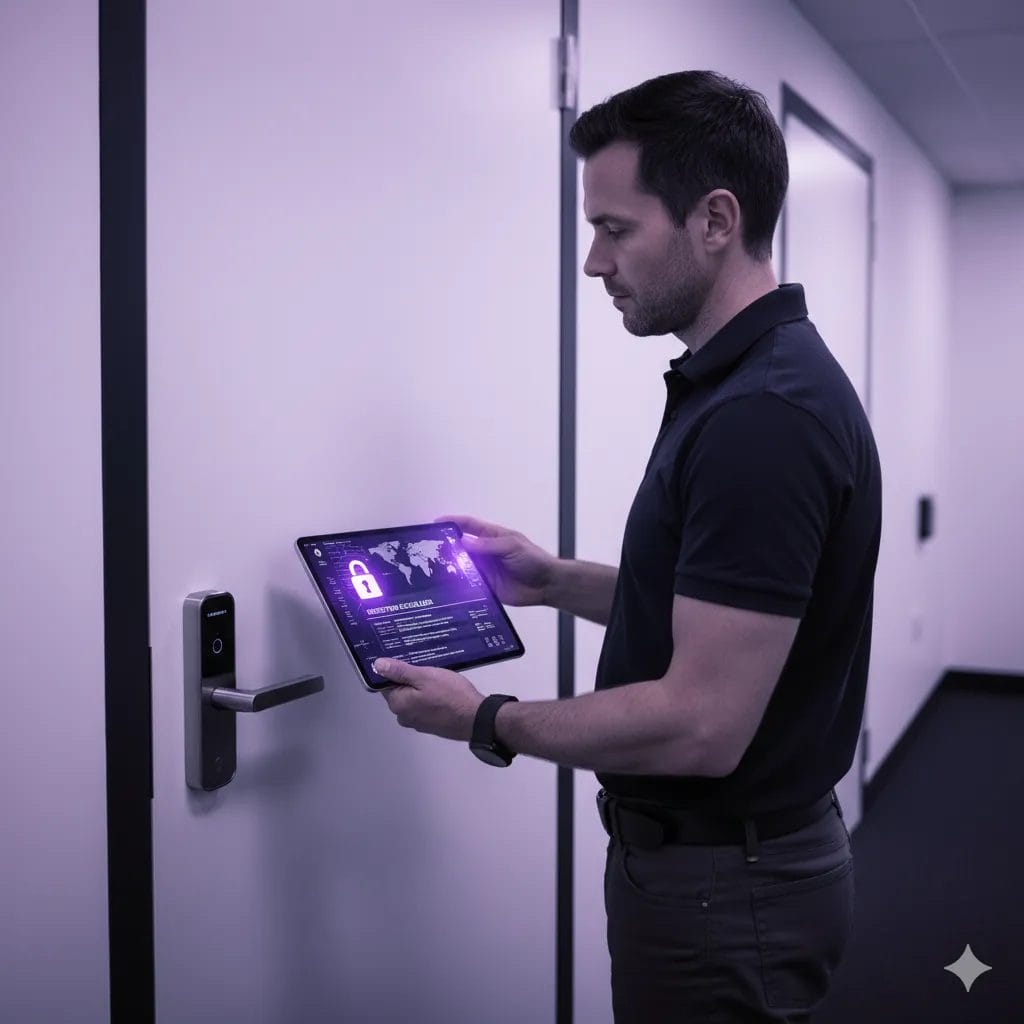
The Hidden Costs of Global IoT Connectivity: How to Manage IoT Connectivity Pricing and Reduce Network Expenses
In the rapidly evolving landscape of the Internet of Things (IoT), businesses are increasingly reliant on global connectivity solutions to manage their devices and data. However, many organizations overlook the hidden costs associated with IoT connectivity, which can significantly impact their bottom line. This article delves into the various hidden fees that can arise in IoT connectivity pricing, offering insights on how to identify and mitigate these expenses effectively. By understanding the complexities of IoT connectivity costs, businesses can make informed decisions that enhance their operational efficiency and reduce unnecessary expenditures.
The discussion will cover common hidden fees, the role of IoT SIM management, the advantages of private 5G networks and cost-effective alternatives like LoRaWAN. Additionally, we will explore strategies for optimizing data usage and minimizing roaming costs, along with real-world case studies that highlight successful cost reduction efforts. By the end of this article, readers will be equipped with practical tips and insights to navigate the intricate world of IoT connectivity pricing.
What Are the Common Hidden Fees in IoT Connectivity Pricing?

Hidden fees in IoT connectivity pricing can significantly inflate the overall costs of managing IoT networks. These fees often include charges for data overages, activation fees and unexpected roaming charges that can catch businesses off guard. Understanding these hidden costs is crucial for organizations looking to optimize their IoT budgets.
How Do Roaming Charges Impact IoT Data Plan Costs?
Roaming charges can dramatically increase the costs associated with IoT data plans, especially for devices that operate across multiple countries. When devices connect to networks outside their home country, they may incur additional fees that are not always clearly outlined in service agreements. For instance, a device that transmits data while roaming could face charges that are several times higher than standard rates, leading to unexpected spikes in monthly bills. Companies must carefully evaluate their data plans and consider the potential for roaming charges when deploying IoT solutions globally.
What Are the Unexpected Network Expenses in Global IoT Deployments?
In addition to roaming charges, businesses may encounter various unexpected network expenses during global IoT deployments. These can include costs related to network infrastructure upgrades, maintenance fees and charges for additional services such as enhanced security or data analytics. Organizations should conduct thorough assessments of their connectivity needs and budget for these potential expenses to avoid financial surprises down the line.
How Can IoT SIM Management Help Control and Reduce Connectivity Costs?
IoT SIM management plays a pivotal role in controlling and reducing connectivity costs. By centralizing the management of SIM cards, businesses can gain better visibility into their data usage and optimize their plans accordingly. This approach allows organizations to identify underutilized SIMs, consolidate data plans and negotiate better rates with service providers.
For instance, Hyperlogical specializes in hyperconnectivity solutions that address the complex challenges of managing IoT networks worldwide. By leveraging advanced IoT SIM management tools, businesses can streamline their operations and significantly reduce their connectivity expenses.
What Are the Benefits of Centralized SIM Control for Cost Optimization?
Centralized SIM control offers several benefits for cost optimization in IoT connectivity. By managing all SIM cards from a single platform, organizations can easily monitor data usage, track expenses and make informed decisions about their connectivity strategies. This centralized approach not only enhances operational efficiency but also enables businesses to negotiate better terms with service providers based on their aggregated data usage.
How Does IoT SIM Management Reduce Roaming and Data Usage Fees?
IoT SIM management can effectively reduce roaming and data usage fees by allowing businesses to implement data usage policies and set alerts for exceeding thresholds. By monitoring data consumption in real-time, organizations can take proactive measures to avoid overage charges and ensure that their devices are operating within budget. Additionally, IoT SIM management solutions often provide insights into usage patterns, enabling businesses to adjust their plans and reduce unnecessary costs.
What Cost Advantages Do Private 5G Networks Offer for IoT Connectivity?

Private 5G networks present significant cost advantages for IoT connectivity compared to traditional public networks. These networks offer enhanced performance, lower latency and greater security, making them ideal for businesses with high data demands. By investing in private 5G infrastructure, organizations can reduce their reliance on expensive public data plans and gain more control over their connectivity costs.
How Does Private 5G Reduce IoT Network Expenses Compared to Public Networks?
Private 5G networks can lower IoT network expenses by providing dedicated bandwidth and reducing the need for costly roaming agreements. Unlike public networks, which may charge premium rates for data usage, private 5G allows businesses to manage their data traffic more efficiently, resulting in lower overall costs. Furthermore, the enhanced security features of private 5G networks can help mitigate risks associated with data breaches, potentially saving organizations from costly security incidents.
What Are the Scalability Benefits of Private 5G for Cost Efficiency?
The scalability of private 5G networks is another key factor contributing to cost efficiency. As businesses expand their IoT deployments, private 5G networks can easily accommodate increased data traffic without incurring significant additional costs. This flexibility allows organizations to scale their operations seamlessly while maintaining control over their connectivity expenses.
Why Is LoRaWAN a Low-Cost Connectivity Option for IoT Devices?
LoRaWAN (Long Range Wide Area Network) is an emerging low-cost connectivity option for IoT devices, particularly in applications that require long-range communication with minimal power consumption. This technology is beneficial for devices deployed in remote areas where traditional cellular networks may not be available or cost-effective.
How Does LoRaWAN Enable Low Power and Cost-Effective IoT Connectivity?
LoRaWAN enables low power and cost-effective IoT connectivity by utilizing a unique modulation technique that allows devices to transmit data over long distances while consuming minimal energy. This efficiency is particularly advantageous for battery-operated devices, as it extends their operational lifespan and reduces the need for frequent recharging or replacement. Consequently, businesses can lower their overall operational costs while maintaining reliable connectivity.
What Are the Use Cases Where LoRaWAN Reduces IoT Data Plan Costs?
LoRaWAN is particularly effective in various use cases, including agriculture, smart cities and environmental monitoring. For instance, in agriculture, farmers can deploy sensors to monitor soil moisture levels and optimize irrigation practices without incurring high data plan costs. Similarly, smart city applications can leverage LoRaWAN for efficient waste management and traffic monitoring, resulting in significant savings on connectivity expenses.
What Strategies Can Optimize Data Usage and Minimize Roaming Costs in IoT?
To optimize data usage and minimize roaming costs in IoT deployments, organizations can implement several strategies. These include selecting the right data plans, utilizing data compression techniques and employing real-time monitoring tools to track usage.
How to Implement Data Usage Optimization for Global IoT Networks?
- Assess Data Needs: Evaluate the data requirements of each IoT device to select appropriate data plans.
- Utilize Compression: Employ data compression techniques to reduce the amount of data transmitted, thereby lowering costs.
- Monitor Usage: Use real-time monitoring tools to track data consumption and identify potential overages before they occur.
What Are Best Practices for Managing IoT Roaming Charges Effectively?
- Choose Global Plans: Opt for data plans that offer global coverage to minimize roaming fees.
- Set Alerts: Implement alerts for data usage thresholds to avoid unexpected charges.
- Regularly Review Plans: Periodically review and adjust data plans based on usage patterns to ensure cost-effectiveness.
Which Real-World Case Studies Demonstrate Successful IoT Cost Reduction?
Several organizations have successfully reduced their IoT connectivity costs through strategic planning and implementation of advanced technologies. These case studies provide valuable insights into effective cost management strategies.
How Have Companies Reduced IoT Connectivity Costs Using Private 5G?
Companies that have adopted private 5G networks have reported significant reductions in their IoT connectivity costs. For example, a manufacturing firm implemented a private 5G solution to streamline its operations, resulting in lower data costs and improved efficiency. By consolidating its data traffic onto a private network, the company was able to eliminate expensive roaming charges and optimize its data usage.
What Lessons Can Be Learned from LoRaWAN Cost Optimization Examples?
LoRaWAN has proven to be a cost-effective solution for various industries. For instance, a smart city initiative utilized LoRaWAN to monitor environmental conditions, significantly reducing data plan costs compared to traditional cellular networks. The success of this initiative highlights the importance of selecting the right connectivity technology to achieve cost optimization in IoT deployments.
How to Avoid Hidden IoT Connectivity Costs: Practical Tips and Consultation Options
To avoid hidden IoT connectivity costs, organizations should adopt proactive strategies and consider expert consultation options. By taking a comprehensive approach to connectivity management, businesses can identify potential pitfalls and implement effective solutions.
What Are the Key Steps to Identify and Eliminate Hidden IoT Fees?
- Review Contracts: Carefully review service agreements to uncover any hidden fees or charges.
- Monitor Usage: Implement monitoring tools to track data consumption and identify unexpected costs.
- Negotiate Terms: Engage with service providers to negotiate better terms and eliminate unnecessary fees.
How Can Expert Consultation Help Optimize IoT Connectivity Pricing?
Expert consultation can provide valuable insights into optimizing IoT connectivity pricing. By leveraging the expertise of professionals in the field, organizations can gain a deeper understanding of their connectivity needs and identify cost-saving opportunities. Consulting with specialists can also help businesses navigate complex pricing structures and negotiate favorable terms with service providers.


