Reduce operational expenses with low-bandwidth, cost-efficient connectivity designed specifically for IoT applications.
One card, every format
LTE-M for IoT.
With NB-IoT fallback.
Low-power wide-area SIM and eSIM for devices on the move.
Low-Power IoT Connectivity
As 2G and 3G networks sunset globally, LTE-M—also known as LTE Cat-M1—is the most cost-effective replacement for legacy IoT deployments that demand long battery life, deep coverage and seamless mobility.
Unlike unlicensed LPWAN alternatives, LTE-M operates on licensed 4G LTE spectrums, providing better connectivity and coverage, lower latency and stronger security. This technology is the backbone of the next-generation IoT economy offering low-cost, scalability and it’s built for large deployments globally.
Why Choose LTE-M?

Lower Data Costs


Extended Battery Life
Devices can run for 5-10 years on a single battery, minimising disruption, maintenance and replacement costs.

Superior Penetration
LTE-M reaches deep indoors, underground and across borders, even while supporting moving assets—setting it apart from NB-IoT and LoRa.

Seamless Global Roaming
Built on existing 4G LTE networks, LTE-M and our global IoT Smart Network enable effortless international connectivity without the need for new infrastructure.

Enterprise-Grade Security
Network-level security, anomaly detection and encrypted data transmission ensure your IoT deployments remain secure and resilient.

Scalability Without Complexity
Unlike alternative LPWAN solutions, LTE-M integrates with existing LTE networks, making it easy to scale without operational headaches and added infrastructure costs.

LTE-M vs Other Connectivity Options
LTE-M
Licensed, runs on LTE networks
NB-IoT
Licensed, runs on cellular networks
LoRa
Unlicensed, requires private gateways
LTE-M
Deep indoor, underground and mobile
NB-IoT
Deep urban penetration and high-density, fixed devices
LoRa
Long-range, low-power connectivity in remote areas (up to 10 km)
LTE-M
Supports handover for moving assets
NB-IoT
Best for stationary devices
LoRa
Limited (not designed for mobility)
LTE-M
5-10 years
NB-IoT
10+ years
LoRa
5-10 years (varies in dense areas)
LTE-M
Up to 1 Mbps
NB-IoT
100-250 kbps
LoRa
0.3-50 kbps
LTE-M
Low (supports near real-time applications)
NB-IoT
High (not suitable for real-time use)
LoRa
High (not suitable for real-time use)
LTE-M
Enterprise-grade, encrypted
NB-IoT
Enterprise-grade, encrypted
LoRa
AES-128 encryption, more susceptible to interference
LTE-M
Large-scale deployments, global roaming
NB-IoT
Supports 50,000+ devices per cell
LoRa
Supports millions of devices per network
LTE-M
Lower than traditional LTE, but higher than NB-IoT and LoRa
NB-IoT
Lower per-device cost for large deployments
LoRa
Higher upfront cost for private networks, no recurring fees
LTE-M
Mobility, coverage and power efficiency in cases like fleet tracking, smart cities, healthcare wearables, retail POS, industrial IoT
NB-IoT
Large-scale, stationary deployments needing ultra-low power like smart meters, industrial sensors, smart cities, utilities
LoRa
Cost-sensitive, remote, private networks like smart agriculture, asset tracking, logistics, private IoT networks
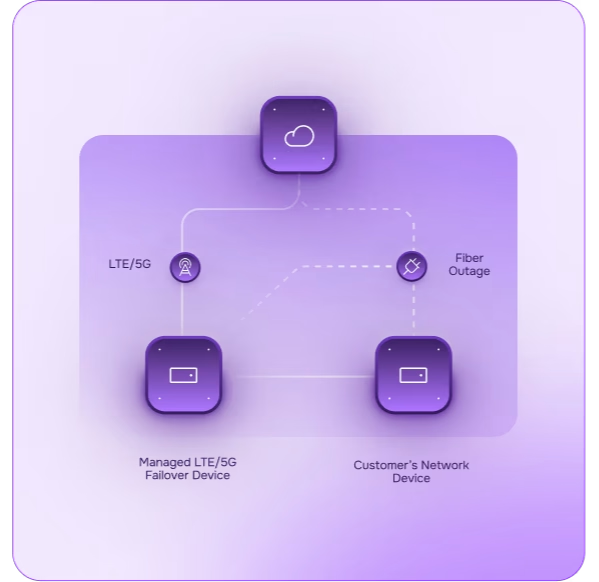
Deploy LTE-M at Scale
LTE-M is the future of low-power, wide-area IoT connectivity, delivering cost efficiency, scalability and reliability.
With end-to-end support, global carrier access and enterprise-grade security, we simplify your LTE-M deployments so you can scale without complexity.
- Bespoke network design & scoping
- AI-driven cost savings
- Enhanced security through AI-powered anomaly detection
- Real-time optimisation to reduce data usage and extend device battery life
- Multi-network support across LTE-M, NB-IoT and private 5G
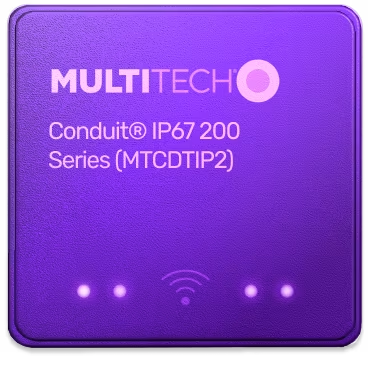
Leading LTE-M Hardware for Your Deployment
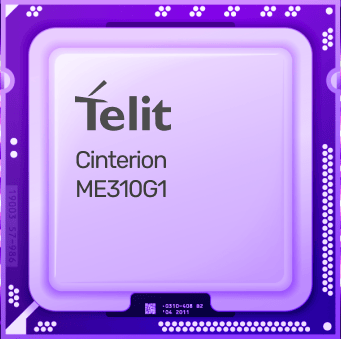
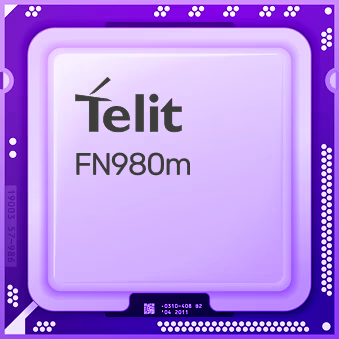
Power with a LTE-M Network
LTE-M is the future of low-power, wide-area IoT connectivity, delivering cost efficiency, scalability and reliability. Request a quote or talk to a connectivity consultant about LTE-M for your business today.

Buy online on 
LTE-M SIMs, ordered online
Low-power wide-area SIMs with NB-IoT fallback. Need hardware or an install too? Our team handles it.
Everything You Need to Know About LTE-M
LTE-M delivers low-power, long-range IoT connectivity with enterprise-grade security. But how does it compare to NB-IoT, LoRa and Sigfox and is it the right solution for your business?
- How does LTE-M compare to NB-IoT, LoRa and Sigfox?
LTE-M supports mobility, lower latency and stronger security compared to NB-IoT, LoRa and Sigfox. Unlike NB-IoT, which is best for stationary sensors, LTE-M allows handover between cell towers, making it suitable for moving assets like vehicles and logistics tracking. LoRa and Sigfox operate on unlicensed spectrums, meaning they have lower security and reliability compared to LTE-M, which runs on licensed LTE networks.
- Can LTE-M devices roam internationally?
Yes. Since LTE-M operates on existing 4G LTE networks, it allows seamless global roaming without needing new infrastructure. This makes it a preferred choice for businesses managing IoT devices across multiple regions.
- How long can an LTE-M device run on battery power?
LTE-M devices are optimised for ultra-low power consumption, allowing them to run for 5-10 years on a single battery, depending on data transmission frequency and network conditions.
- Does LTE-M support real-time applications?
Yes. LTE-M has lower latency than NB-IoT, making it suitable for real-time or near real-time applications like health monitoring, security alarms and emergency response systems.
- Can LTE-M be used for voice communication?
Yes, LTE-M supports VoLTE (Voice over LTE), which enables voice calls for emergency devices, medical applications and remote monitoring—a feature that NB-IoT, LoRa and Sigfox lack.
- Is LTE-M secure?
Yes. LTE-M operates on licensed LTE networks and includes enterprise-grade security features like encryption, anomaly detection and network resilience monitoring, reducing risks of unauthorised access and cyber threats.
- What industries benefit most from LTE-M?
LTE-M is widely used in fleet tracking, smart metering, healthcare, smart cities, industrial IoT, retail payment systems and agriculture.
Maximise Your IoT Network with LTE-M
LTE-M provides reliable, long-range coverage, keeping your devices online for years. Request a quote or talk to a connectivity consultant about LTE-M for your business today. The great benefit of LTE-M is that it utilises the 4G network, which results in lower infrastructure costs. You don’t incur any additional expenses beyond the device hardware, which we can offer through our no-capex HaaS solution. That means the benefits of leveraging a mobile network are huge, but on 4G, that comes with monthly costs, not with LTE-M. Contact a consultant today to discuss the pros and cons, as well as the significant financial considerations of deploying LoRa, NB-IoT or LTE-M.