Hyper Times
Global IoT SIM Connectivity Solutions Explained
Unlock seamless connectivity with innovative global IoT SIM solutions. Optimize network performance and ensure reliability for your devices worldwide.

Global IoT SIM Connectivity Solutions Explained: Comprehensive Guide to IoT SIM Management Platforms and International Connectivity
In an increasingly interconnected world, the demand for reliable and efficient IoT SIM connectivity solutions has surged. These solutions enable seamless communication between devices, facilitating the growth of the Internet of Things (IoT). This comprehensive guide will delve into the intricacies of global IoT SIM connectivity solutions, focusing on IoT SIM management platforms and their role in ensuring international connectivity. Readers will learn about the various technologies involved, the functionalities of management platforms and the challenges faced in achieving seamless connectivity. As businesses expand their IoT deployments, understanding these solutions becomes crucial for optimizing operations and enhancing device management. This article will cover the overview of IoT SIM connectivity solutions, the functionalities of IoT SIM management platforms, international connectivity intricacies and the types of connectivity solutions available.
Global IoT SIM Connectivity Solutions: A Comprehensive Guide
Global IoT SIM connectivity solutions are essential for enabling devices to communicate effectively across various networks and regions. These solutions leverage advanced technologies such as eSIM, iSIM and vSIM to provide seamless network access and enhance device management. The importance of global connectivity cannot be overstated, as it allows businesses to deploy IoT devices in multiple locations without the need for physical SIM card changes. However, challenges such as network compatibility, regulatory compliance and security concerns must be addressed to ensure successful implementation.
Overview of IoT SIM Connectivity Solutions
IoT SIM connectivity solutions facilitate seamless network access for devices, allowing them to communicate over cellular networks. These solutions utilize technologies like eSIM, iSIM and vSIM, which offer flexibility and scalability for IoT deployments. eSIMs, for instance, enable remote provisioning of SIM profiles, making it easier to switch between network operators without physical intervention. However, challenges such as varying network standards and regulatory requirements can complicate connectivity efforts. Understanding these challenges is crucial for businesses looking to implement effective IoT solutions.
Further exploring the capabilities of eSIM technology, research highlights how multi-license billing models can revolutionize sustainable IoT connectivity by breaking traditional one-to-one device-to-profile relationships.
e-SIM Multi-License Billing for Sustainable IoT Connectivity
This paper talks about e-SIM as a software module being used under a licencing model similar to current practices of Software Licencing. The paper talks on the sustainable model of switching to e-SIM and doing away with paper-based physical SIM especially in IoT industry. And the paper talks about how billing would be done in such a scenario of a single profile being used concurrently on multiple devices/subscriptions in different ways. The conventional one-to-one relationship between a device and its associated service profile is broken to allow for plural/concurrent service profiles to be activated and billed for use in connection with a single user profile. A separate billing identification is maintained for each service profile in order to allow for billing of concurrent usage across devices.
Sustainable Connectivity Management via e-SIM Multi Licence-Based Billing, P Garg, 2022
For businesses seeking to enhance their IoT connectivity, engaging with specialized services can provide tailored solutions that address specific needs. These services often include comprehensive support for managing connectivity across different regions, ensuring compliance with local regulations and optimizing network performance.
IoT SIM Management Platforms
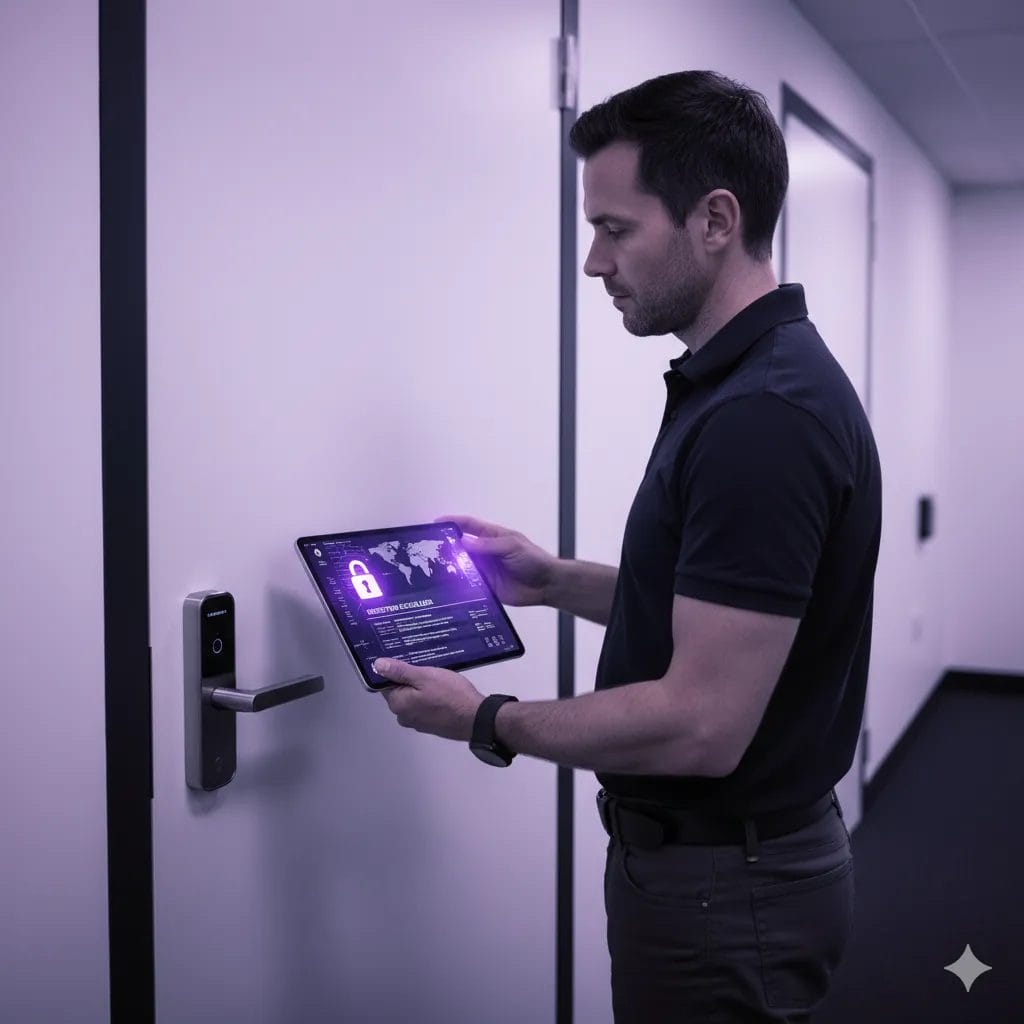
IoT SIM management platforms are critical for overseeing the lifecycle of SIM cards used in IoT devices. These platforms offer centralized management features that streamline operations and enhance device control. Key functionalities include automated network switching, real-time monitoring and robust security measures to protect sensitive data. By utilizing these platforms, businesses can efficiently manage their IoT deployments, ensuring optimal performance and compliance with industry standards.
Functionalities of IoT SIM Management Platforms
IoT SIM management platforms provide a range of functionalities that enhance the management of IoT devices. Key features include:
- One-Click SIM Management: Simplifies the process of activating and deactivating SIM cards across multiple devices.
- 24/7 Support: Ensures that businesses have access to assistance whenever issues arise, minimizing downtime.
- Unified Billing: Streamlines billing processes by consolidating charges for multiple SIM cards into a single invoice.
These functionalities not only improve operational efficiency but also reduce the complexity associated with managing large-scale IoT deployments.
International Connectivity Intricacies

Achieving international connectivity for IoT devices involves navigating various challenges, including compliance with local regulations and ensuring network compatibility. Global coverage statistics indicate that while many regions have robust cellular networks, others may lack the infrastructure necessary for reliable IoT connectivity. Local SIM profiles can help address these challenges by providing tailored connectivity solutions that meet regional requirements. Additionally, effective compliance management is essential for avoiding legal pitfalls and ensuring smooth operations across borders.
Types of Connectivity Solutions
There are several types of IoT connectivity solutions available, each catering to different use cases and requirements. These include:
- Global eSIM: Offers flexibility for devices to switch between network operators without physical SIM changes.
- NB-IoT and LTE-M: Provide low-power, wide-area connectivity ideal for IoT applications that require long battery life and extensive coverage.
- High Bandwidth Wireless Access: Suitable for applications that demand high data transfer rates, such as video streaming and real-time analytics.
Understanding the various connectivity solutions available allows businesses to select the most appropriate options for their specific IoT applications.
What is an IoT SIM Management Platform and How Does It Work?
An IoT SIM management platform is a centralized system that enables businesses to manage their IoT SIM cards effectively. These platforms facilitate the activation, deactivation and monitoring of SIM cards across multiple devices, ensuring seamless connectivity. By leveraging cloud-based management tools, businesses can gain real-time insights into their IoT deployments, allowing for proactive decision-making and optimization of resources.
IoT SIM Management Platforms: Overview
The primary function of IoT SIM management platforms is to provide businesses with a comprehensive view of their SIM card usage and performance. This overview allows for better resource allocation and management, ultimately leading to improved operational efficiency. Additionally, these platforms often integrate with existing enterprise systems, enabling a more streamlined approach to IoT management.
Key Features of IoT SIM Management Platforms for Global Connectivity
Key features of IoT SIM management platforms include:
- Centralized Dashboard: Provides a comprehensive view of all connected devices and their respective SIM cards.
- Automated Alerts: Notifies users of any connectivity issues or anomalies, allowing for quick resolution.
- Data Analytics: Offers insights into usage patterns and performance metrics, helping businesses optimize their IoT strategies.
These features empower businesses to maintain control over their IoT deployments, ensuring that devices remain connected and operational.
How IoT SIM Lifecycle Management Enhances Device Control
Effective IoT SIM lifecycle management is crucial for maintaining control over connected devices. By managing the entire lifecycle of SIM cards—from activation to deactivation—businesses can ensure that devices are always connected to the appropriate networks. This proactive approach minimizes downtime and enhances the overall performance of IoT deployments.
The importance of comprehensive SIM lifecycle management, including Over-the-Air (OTA) updates and robust security, is further underscored by industry insights into maintaining real-time control and adapting to evolving service needs.
OTA & Secure SIM Lifecycle Management for Mobile Operators
The SIM card is a managed platform, belonging to the operator’s network. It offers to store operator specific but also subscriber-related data. SIM card data—operator or subscriber dependent—changes over time and needs Over-the-Air (OTA) management. Customers cannot be asked to visit an operator shop for data management; Over-the-Air updates using the SMS as a bearer are the only possibility for mass updates. This implies certain security requirements. The Over-the-Air management is only one stage of the SIM life cycle. To be able to launch new services during the life cycle of a SIM card, the whole SIM life cycle has to be planned carefully. There exist systems that support the operator in knowing in real time the status of a SIM card in all phases of the SIM life cycle.
OTA and secure SIM lifecycle management, D Jayasinghe, 2017
Which Global IoT Connectivity Providers Offer Reliable International IoT SIM Cards?
When selecting a global IoT connectivity provider, businesses must consider factors such as coverage regions, pricing models and service reliability. Leading providers often offer extensive coverage across multiple countries, ensuring that devices remain connected regardless of location. Additionally, comparing pricing options can help businesses identify the most cost-effective solutions for their IoT needs.
Comparing Leading Providers and Their Coverage Regions
Different providers offer varying levels of coverage and service quality. It is essential to evaluate the following aspects when comparing providers:
- Coverage Areas: Ensure that the provider has a strong presence in the regions where devices will be deployed.
- Network Reliability: Assess the provider’s track record for maintaining consistent connectivity.
- Customer Support: Consider the availability of support services to address any issues that may arise.
By carefully evaluating these factors, businesses can select a provider that aligns with their connectivity requirements.
How Multi-Technology Integration Supports Seamless Global IoT Connectivity
Multi-technology integration plays a vital role in enhancing global IoT connectivity. By combining various connectivity technologies, businesses can create a more robust and flexible IoT ecosystem. This integration allows for seamless communication between devices, regardless of their location or the networks they are connected to.
How Do Private 5G Networks and LoRaWAN Enhance IoT Connectivity Solutions?
Private 5G networks and LoRaWAN are two emerging technologies that significantly enhance IoT connectivity solutions. These technologies offer unique benefits that cater to specific use cases and requirements.
Benefits of Private 5G Networks for Enterprise IoT Deployments
Private 5G networks provide dedicated connectivity for enterprises, ensuring high-speed data transfer and low latency. This is particularly beneficial for applications that require real-time data processing, such as autonomous vehicles and smart manufacturing. Additionally, private 5G networks offer enhanced security features, protecting sensitive data from potential threats.
LoRaWAN Connectivity Solutions: Use Cases and Advantages
LoRaWAN (Long Range Wide Area Network) is designed for low-power, long-range communication, making it ideal for IoT applications that require minimal energy consumption. Key advantages of LoRaWAN include:
- Extended Range: Capable of covering large areas, making it suitable for rural and remote deployments.
- Low Power Consumption: Devices can operate for years on a single battery, reducing maintenance costs.
- Scalability: Easily accommodates a growing number of devices without significant infrastructure changes.
These benefits make LoRaWAN an attractive option for businesses looking to implement cost-effective IoT solutions.
What Security Features Are Essential in IoT SIM Connectivity Solutions?
Security is a paramount concern in IoT deployments, as connected devices are often vulnerable to cyber threats. Essential security features in IoT SIM connectivity solutions include:
Implementing Security Protocols for IoT SIM Cards
To protect IoT devices, businesses must implement robust security protocols for their SIM cards. This includes encryption of data transmitted over networks, secure authentication methods and regular software updates to address vulnerabilities. By prioritizing security, businesses can safeguard their IoT deployments against potential threats.
Compliance and Risk Management in Global IoT Connectivity
Compliance with local regulations is critical for businesses operating in multiple regions. Understanding the legal landscape and ensuring adherence to relevant laws can mitigate risks associated with IoT deployments. Effective risk management strategies should include regular audits, compliance training for staff and collaboration with legal experts to navigate complex regulatory environments.
How Are Pricing Models Structured for IoT SIM Management and Connectivity?
Pricing models for IoT SIM management and connectivity can vary significantly among providers. Understanding these models is essential for businesses to make informed decisions about their IoT investments.
Flexible Data Plans and Cost Transparency for Enterprises
Many providers offer flexible data plans that allow businesses to scale their connectivity needs based on usage. This flexibility can help organizations manage costs effectively while ensuring that their devices remain connected. Additionally, transparent pricing structures enable businesses to understand their expenses and budget accordingly.
Comparing Pricing Options Across Global IoT SIM Providers
When evaluating pricing options, businesses should consider the following factors:
- Data Allowance: Assess the amount of data included in each plan and any overage fees.
- Contract Terms: Review the length of contracts and any penalties for early termination.
- Additional Fees: Be aware of any hidden fees associated with activation, management or support services.
By comparing these aspects, businesses can select a provider that aligns with their connectivity requirements.
What Are the Key Use Cases and Success Stories Demonstrating IoT SIM Connectivity?
IoT SIM connectivity solutions have been successfully implemented across various industries, showcasing their versatility and effectiveness. Key use cases include:
Enterprise Case Studies Highlighting Scalable IoT Deployments
- Smart Agriculture: Farmers utilize IoT devices to monitor soil conditions and optimize irrigation, resulting in increased crop yields and reduced water usage.
- Fleet Management: Companies leverage IoT connectivity to track vehicle locations and monitor performance, enhancing operational efficiency and reducing costs.
- Healthcare Monitoring: Remote patient monitoring systems enable healthcare providers to track vital signs and improve patient outcomes through timely interventions.
These success stories illustrate the transformative potential of IoT SIM connectivity solutions across diverse sectors.
Industry Applications Leveraging Global IoT SIM Solutions
Industries such as manufacturing, logistics and healthcare are increasingly adopting IoT SIM solutions to enhance operational efficiency and drive innovation. By leveraging these technologies, businesses can streamline processes, reduce costs and improve overall performance.
How Does IoT SIM Roaming Work and What Are Its Benefits?
IoT SIM roaming allows devices to maintain connectivity while traveling across different networks and regions. This capability is essential for businesses with global operations, as it ensures that devices remain connected regardless of location.
Mechanisms Behind International IoT SIM Roaming
IoT SIM roaming works by enabling devices to automatically switch to local networks when they enter a new region. This process involves negotiating agreements between network operators to facilitate seamless connectivity. By utilizing roaming capabilities, businesses can ensure that their devices remain operational while minimizing disruptions.
Optimizing Connectivity and Costs Through Roaming Management
Effective roaming management strategies can help businesses optimize connectivity and control costs. This includes monitoring data usage, selecting the most cost-effective roaming partners and implementing policies to manage data consumption. By prioritizing roaming management, businesses can enhance the performance of their IoT deployments while minimizing expenses.
What Are the Best Practices for Integrating IoT SIM Management with Emerging Technologies?
Integrating IoT SIM management with emerging technologies is essential for maximizing the potential of IoT deployments. Best practices include:
Combining IoT SIM Platforms with Private 5G and LoRaWAN Networks
Leveraging private 5G networks and LoRaWAN in conjunction with IoT SIM management platforms can enhance connectivity and performance. This integration allows businesses to take advantage of the unique benefits offered by each technology, creating a more robust IoT ecosystem.
Future Trends in IoT Connectivity and Device Compatibility
As IoT technology continues to evolve, businesses must stay informed about emerging trends and advancements. This includes developments in connectivity standards, security protocols and device compatibility. By staying ahead of these trends, businesses can ensure that their IoT deployments remain competitive and effective in the long term.


